
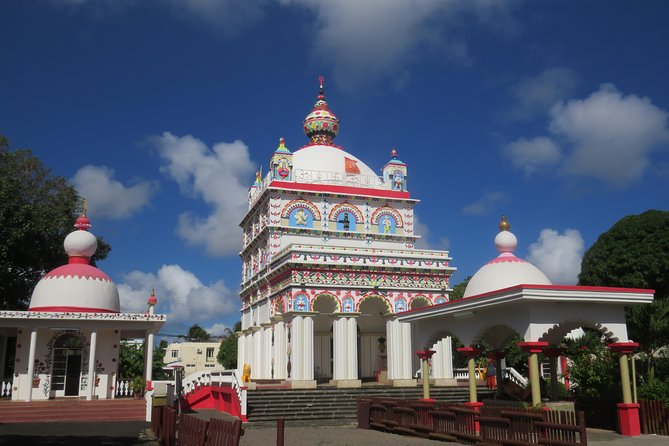
Reviewed · PORT LOUIS TOURS
ROUTE OF INDIAN SPIRITUALITY
Sacred stories bring Mauritius into focus. This three-hour private tour visits three important temples near Grand Baie while explaining Hindu beliefs, Tamil worship, Mauritian history, slavery, and the island’s present-day culture. I like the mix of temple visits and plainspoken storytelling, and I also like that the tour tackles real questions, such as why Shiva’s neck is blue and why Ganesh has a broken tusk.
The main thing to consider is pace. The three stops add up to about one hour and 45 minutes, so the rest of the three-hour outing depends on driving and discussion. The tour is also religious in subject, not a general sightseeing trip. If you want beaches and postcard views, this is not your morning. If you want context, it offers far more than a quick look at a shrine.
In This Review
- Key points at a glance
- Why this tour matters in Mauritius
- Starting at La Croisette at 9 a.m.
- Triolet and the first Maha Shivaratree pilgrimage
- The first Tamil kovil at Cap Malheureux
- The 15-meter Muruga statue
- Festivals, rituals, and questions worth asking
- What the $64.61 price gives you
- Timing, comfort, and who will enjoy it
- Should you book the Route of Indian Spirituality?
- FAQ
- Where does the tour start?
- What time does the tour begin?
- Where does the tour end?
- How long does the experience last?
- How much does the tour cost?
- Is this a private tour?
- Which temples are visited?
- Are admission tickets included?
- Is the tour available by mobile ticket?
- What happens if the weather is poor?
Key points at a glance
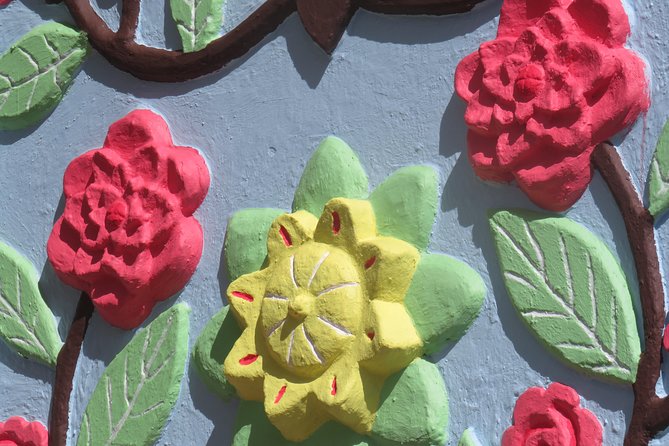
- A private three-hour outing: Your group alone takes part, allowing the guide to adjust the conversation and answer questions.
- Three temples in northern Mauritius: You visit the temple at Triolet, then two Tamil temples in Cap Malheureux.
- A major Maha Shivaratree connection: Triolet is linked to the first Maha Shivaratree pilgrimage held in Mauritius in 1898.
- A 15-meter Muruga statue: One Cap Malheureux temple has a tall statue modeled on the famous figure at Batu Caves in Kuala Lumpur.
- Religion explained through stories: Shiva, Ganesh, lingams, Cavadee, Ganga Snan, Govinden, and other traditions are part of the discussion.
- Good value for a focused cultural tour: At $64.61 per person, the price is strongest for couples or small groups who want a personal guide rather than a large coach outing.
Why this tour matters in Mauritius
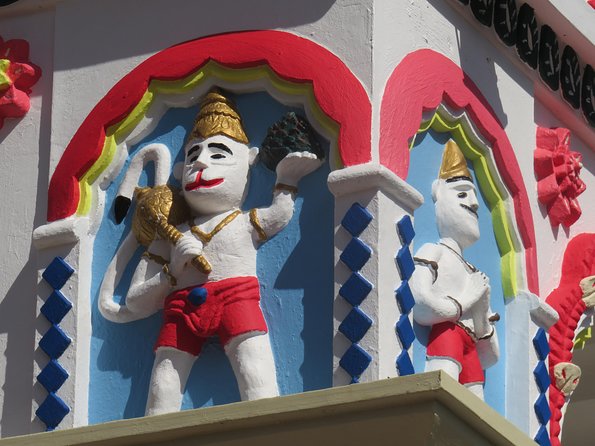
Mauritius is often sold through its coast, lagoons, and resort life. Those are real pleasures, but they tell only part of the island’s story. Indian religious traditions are woven into Mauritian society, and this experience gives you a way to see that connection through actual places of worship.
The tour also places religion beside difficult history. It addresses slavery and the way different communities shaped Mauritius. That matters because a temple visit can otherwise feel like a pretty stop with no explanation. Here, the aim is to show how beliefs, migration, festivals, and daily life meet.
I especially like the tour’s playful approach. The questions are memorable, but the subject is treated with respect. You are not simply handed a list of gods and dates. You are encouraged to ask how a belief works and why a practice continues.
The experience also raises a useful question: are Hindu and Tamil religious traditions separate, connected, or understood differently depending on the community? You will hear about Hindu worship and Tamil temples while considering how those traditions affect Mauritian society today. That makes the tour more thoughtful than a basic temple photo stop.
More things to do in Port Louis:
- Mauritius: Exclusive South West Tour
★ 4.8 · 523 reviews - Port Louis: Street Food & City Tour
★ 4.7 · 518 reviews - Mauritius North: Private Paradise Tour with Gardens, Markets
★ 4.8 · 446 reviews
Starting at La Croisette at 9 a.m.
The meeting point is La CroisetteMU on Chemin Vingt Pieds in Grand Baie. The start time is 9 a.m., and the outing returns to this same point at the end.
That arrangement is simple if you are staying around Grand Baie. It also gives you a clear beginning and finish, which is useful when planning a beach afternoon, lunch, or another activity. The experience is near public transportation, though no detailed transport plan is provided, so you should confirm your route to La Croisette before the morning begins.
The tour uses a mobile ticket, and confirmation is issued when you book. Since it is a private activity, only your own group participates. That is one of the strongest features here. Religious sites often prompt basic questions, and a private setting makes it easier to ask without worrying about holding up a busload of people.
Eric is the guide named in the available feedback, and he received strong praise for explaining both Hindu religion and local history. His regional understanding was singled out as a major strength. If Eric leads your outing, expect the experience to depend heavily on his ability to connect the sites with the stories behind them.
Triolet and the first Maha Shivaratree pilgrimage
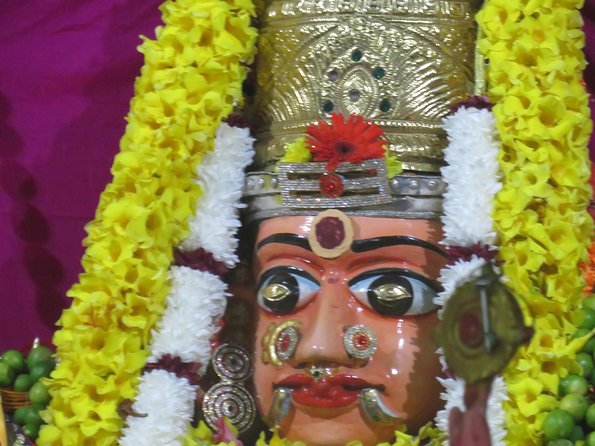
The first stop is the temple at Triolet, with about an hour set aside for the visit. Admission is free.
Triolet is important because it is identified as the starting point of Mauritius’s first Maha Shivaratree pilgrimage in 1898. That gives the stop a clear place in the island’s religious story. You are not simply seeing a temple. You are seeing a location tied to a pilgrimage tradition that has continued to matter.
Maha Shivaratree is one of the key subjects discussed on the tour. You will learn what the festival celebrates and why Shiva is central to it. The tour also connects the festival to the broader question of Indian religious life in Mauritius.
This is probably the most substantial stop. An hour allows time for description, questions, and explanation rather than a rushed walk around the grounds. The details supplied do not specify the exact temple layout, dress requirements, or whether interior access is always possible, so it is sensible to follow the guide’s instructions and treat the site as an active place of worship.
A useful part of the teaching is the focus on symbols. Why does Shiva have a blue neck? Why must a lingam be continually watered? These are the kinds of questions that help you remember what you learn. The guide’s job is not only to name the deity, but to explain the meaning behind the image or ritual.
The first Tamil kovil at Cap Malheureux
The second stop takes you to a Tamil temple, or kovil, in Cap Malheureux. About 30 minutes is planned here, with time for description, history, legends, and myths.
The word kovil is useful because it signals a Tamil temple tradition rather than leaving every shrine under one broad label. The tour encourages you to notice that Mauritius contains several strands of Indian religious life. That distinction is part of the experience’s value.
Legends and myths can make a site easier to remember, but they also need careful handling. A good guide helps you understand which stories are religious teaching, which are traditional accounts, and how they fit into community life. The information provided does not list the specific legends told at this stop, so you should expect themes rather than a fixed script of named stories.
The short visit is a benefit and a limitation. Thirty minutes keeps the morning moving and leaves room for the other temple. At the same time, anyone who wants a long period for quiet observation may find it brief. This is a guided cultural visit, not an extended devotional stay.
Cap Malheureux is also a practical location for comparing the two Tamil temples. Seeing them on the same outing gives the discussion a clearer shape. You can consider how similar traditions are expressed in different settings, rather than trying to remember one isolated building.
A completely different kind of day out:
- Port Louis: Street Food & City Tour
★ 4.9 · 377 reviews - Port Louis: Mont Choisy, Botanical Garden, and Church Tour
★ 4.7 · 268 reviews - Port-Louis Street Food Tour
★ 5.0 · 264 reviews - TAXI north guided tour.
★ 5.0 · 171 reviews
The 15-meter Muruga statue
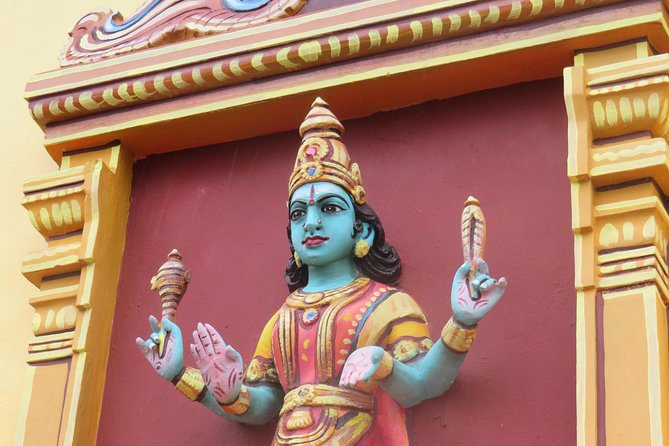
The third stop is another Tamil temple in Cap Malheureux, with about 15 minutes planned for the visit. Its main feature is an imposing statue of Muruga, rising 15 meters high.
The statue is described as a replica of the figure at the entrance to Batu Caves in Kuala Lumpur. That comparison gives you an immediate reference point, especially if you know the Malaysian landmark. Even if you do not, the height alone makes this a visually strong finish to the temple visits.
Muruga is an important figure in Tamil worship, and this stop gives the tour a chance to explain his place in that tradition. The information provided does not specify further details about the temple interior or grounds, so the main focus appears to be the statue, the deity, and the surrounding explanation.
Fifteen minutes is enough for a look and a short talk. It is not enough for a long, reflective visit. I would treat this as a final cultural marker rather than the main event of the morning. The statue gives you something concrete to remember after the more discussion-heavy stop at Triolet.
Festivals, rituals, and questions worth asking
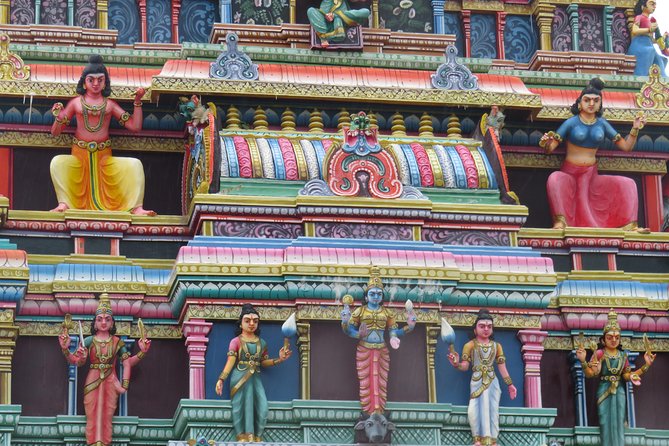
The tour covers several festivals and practices. These include Maha Shivaratree, Cavadee, Ganesh Chaturti, Ganga Snan, and Govinden.
You will hear what these occasions celebrate and how they relate to Hindu or Tamil religious life. The experience also asks what effect these traditions have on Mauritian society today. That modern connection is important. Festivals are not presented only as old customs preserved for display. They are part of a living community.
The tour can also include attending and following processions or prayers on specific festival dates. This option depends on when you visit, so it should not be assumed on an ordinary tour date. If your trip lines up with one of these occasions, ask in advance what can be included and what kind of participation or observation is appropriate.
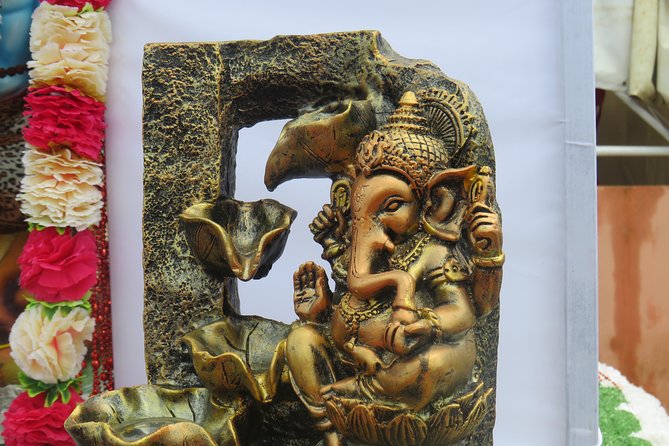
The explanations of Shiva and Ganesh provide another strong thread. You may hear why Shiva has a blue neck, why a lingam is kept watered, and why Ganesh’s right tusk is broken. These questions are simple enough for a first-time learner, but they open the door to larger ideas about symbolism, devotion, and ritual.
I would come prepared to listen rather than treat the temples as photo backgrounds. The guide may explain customs that are not obvious from the outside. A respectful attitude is essential, especially because these are places connected to active worship.
What the $64.61 price gives you
At $64.61 per person, this is not the cheapest way to fill three hours in Mauritius. Its value depends on what you want from the morning.
For a private tour, the cost is reasonable if you are traveling as a couple or a small group. You are paying for a dedicated guide, transport between three sites, interpretation, and the chance to ask questions at your own pace. The admission charge at each listed stop is free, so the price is mainly for the guided experience rather than entry tickets.
The value is weaker if you only want to see large statues or take a few photographs. You could spend less time at the temples on your own, but you would miss the explanations about pilgrimage, festivals, slavery, and modern Mauritian identity. You would also have to connect the three sites yourself.
The strongest praise for this experience centers on the guide’s explanations and regional understanding. That is a useful clue when judging the price. This is not a tour where the buildings carry the entire experience. The quality of the conversation matters greatly.
Timing, comfort, and who will enjoy it
The tour lasts about three hours, with a 9 a.m. start and a return to La Croisette. The scheduled temple time totals about one hour and 45 minutes, leaving roughly 75 minutes for travel and discussion. That balance makes sense for a northern Mauritius outing, but the exact rhythm may vary.
Most people can participate, and service animals are allowed. The activity is near public transportation. No special fitness requirement is stated, though the tour involves visiting three religious sites and moving between them.
I would recommend it most strongly to:
- People who want cultural context beyond resort life
- Visitors curious about Hindu and Tamil traditions
- Couples or small groups who prefer a private guide
- Anyone interested in how religion connects with Mauritius’s history
- People visiting during a festival period who want to ask about processions or prayers
It may not suit you if you want a long beach morning, a broad island tour, or a large number of attractions. It also may not be ideal if you prefer to explore temples silently and independently. The guide-led format is the point.
Weather matters. The experience requires good weather, and poor conditions can lead to a different date or a full refund. You can cancel for a full refund if you do so at least 24 hours before the start time. Changes or cancellations made inside that window are not accepted for a refund.
Should you book the Route of Indian Spirituality?
Book it if you want to understand something important about Mauritius that you cannot get from a hotel pool or a quick drive past a temple. The Triolet pilgrimage connection, the two Tamil kovils, and the 15-meter Muruga statue give the morning a clear structure.
I would be especially inclined to book this as a private experience early in a Mauritius stay. It can give you cultural context for festivals, religious images, and community life you may notice elsewhere on the island. The tour is short, focused, and strongest when you are willing to ask questions.
Skip it if your main goal is scenery, shopping, or a packed sightseeing schedule. But if Eric is guiding the outing and you value clear explanations, $64.61 is a fair price for a personal introduction to Indian spirituality in Mauritius.
FAQ
Where does the tour start?
It starts at La CroisetteMU, Chem. Vingt Pieds, Grand Baie 30517, Mauritius.
What time does the tour begin?
The start time is 9 a.m.
Where does the tour end?
The activity ends back at the starting meeting point at La CroisetteMU.
How long does the experience last?
The tour lasts approximately three hours.
How much does the tour cost?
The listed price is $64.61 per person.
Is this a private tour?
Yes. Only your group participates in the activity.
Which temples are visited?
The tour visits the temple at Triolet and two Tamil temples in Cap Malheureux.
Are admission tickets included?
Admission at the three listed stops is free.
Is the tour available by mobile ticket?
Yes. The experience features a mobile ticket, and confirmation is received at booking.
What happens if the weather is poor?
The experience requires good weather. If it is canceled because of poor weather, you will be offered a different date or a full refund.
Just added in Port Louis
- Unveiling the Ancient and Modern Port Louis – city tour★ 4.7 · 13 reviews
- Northern Mauritius Private Tour w/ Port louis Market and Beaches★ 4.5 · 4 reviews
- Private A/C CAR Guided FULL DAY tour North of Mauritius★ 4.0 · 5 reviews
- Full Day Private car only Guided SOUTH WEST of Mauritius★ 4.5 · 8 reviews
- Full Day Shared Speed Boat in Ile Aux Cerfs Lunch & Transfer incl★ 4.0 · 6 reviews
- 8-Hour Private City and North Tour in Mauritius★ 4.5 · 4 reviews
- Mauritius Private South West Tour★ 5.0 · 3 reviews
- Mauritius Guided South Tour (Private)★ 5.0 · 9 reviews
Port Louis Tours, compared.
Mont Choisy, Botanical Garden, and Church Tour
Read our review →

Port Louis Market, Botanical Garden -Northern Mauritius Tour
Read our review →
Port Louis and Northern Highlights Full-Day Trip
Read our review →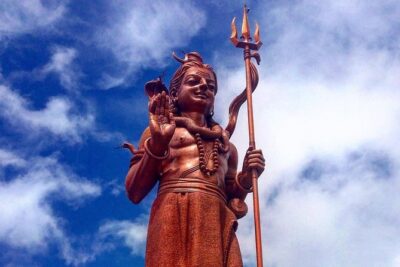
Enchanting South of Mauritius: Full-day tour Incl CASELA Park, Lunch & Transfer
Read our review →Browse the lists this tour appears in