
Reviewed · FOOD & DRINK
Port Louis: Street Food & City Tour
Port Louis tastes better on foot. This three-and-a-half-hour walk combines six to eight generous food tastings with Port Louis history, Chinatown, Central Market, old buildings, temples, gardens, and street art. I like the way the tour explains why Mauritian food reflects Indian, Chinese, African, and French influences instead of treating each snack as an isolated bite. I also like the small group limit of 10, which makes it easier to ask questions and keep a steady pace.
The main catch is the walking. You may cover more than 5 kilometers, often in strong sun, and some groups take more than four hours to finish. Vegetarian and vegan needs can be handled, but you should tell the guide ahead of time, since one food stop may offer no real substitute beyond leaving out the meat or fish.
In This Review
- Key points to know before booking
- Why this food walk makes sense in Port Louis
- Starting at Le Casino and the Caudan Waterfront
- The museum visit and the story behind Mauritian cuisine
- Chinatown, temples, and the city’s many cultural layers
- Central Market and the best food stretch
- What you might eat along the way
- The guide can make or break the experience
- Company Garden, old buildings, and the quieter corners
- Heat, rain, clothing, and walking comfort
- Vegetarian and vegan visitors
- Is $42 good value?
- Who should book this Port Louis experience?
- Should you book it?
- FAQ
- Where does the Port Louis street food tour begin?
- How do I identify the guide?
- How long does the tour last?
- How much food is included?
- Are drinks included?
- Does the tour visit Central Market and Chinatown?
- Is the tour offered in English or French?
- Is hotel pickup included?
Key points to know before booking
- Start at Caudan Waterfront: Meet in front of Le Casino, opposite Café LUX. Your guide wears a black hat.
- Food comes in many forms: Expect savory snacks, sweet items, tropical fruit, a milkshake or juice, and bottled water.
- Aapravasi Ghat adds meaning: The museum visit gives useful context for understanding Mauritius and its people.
- Chinatown and Central Market are central stops: You get to try Hakka-influenced food and local market favorites such as gato pima.
- Plan for a serious walk: Wear comfortable shoes, bring sun protection, and carry rain gear or an umbrella.
- Dourvesh gets especially high marks: His relaxed manner, local knowledge, and care for the group are a major part of the experience.
Why this food walk makes sense in Port Louis
Port Louis can be hard to read at street level. One block may point toward Indian culture, the next toward Chinese food, colonial-era buildings, a temple, a market stall, or a waterside shopping area. If you explore alone, you can certainly see the city, but it is easy to miss the small food counters and the story behind them.
This tour gives you a useful introduction in one concentrated outing. You walk from the Caudan Waterfront into the city, stopping for historic context and food as you go. The result is less a restaurant crawl and more a moving lesson in how Mauritius developed its distinctive food culture.
At $42 per person, the value is strong if you plan to eat most of the tastings. The fee includes all food, tropical fruit, a milkshake or juice, and bottled water. You are also paying for a guide, a museum visit, and several hours of city orientation. Since the food is filling, you may also save money by needing little or no lunch afterward.
More Food Tours in Port Louis
- Port Louis: Street Food & City Tour
★ 4.7 · 518 reviews - Port-Louis Street Food Tour
★ 5.0 · 264 reviews - Mauritius: Port Louis Street Food Walking Tour
★ 4.5 · 93 reviews
Starting at Le Casino and the Caudan Waterfront
The meeting point is in front of Le Casino at the Caudan Waterfront, opposite Café LUX. Look for the guide in a black hat, a helpful detail in a busy meeting area.
The waterfront is a practical place to begin because it gives you an easy reference point before the walk moves into older and less polished parts of Port Louis. Hotel pickup is not included, so you need to make your own way to Caudan. If you are staying elsewhere on the island, allow extra time for the journey into the capital.
The guide starts with an introduction to Port Louis and Mauritius. This early explanation matters because the food stops make more sense once you understand the island’s mix of people and traditions. The city’s cuisine did not come from one single source. It developed through Indian, Chinese, African, and French connections.
The museum visit and the story behind Mauritian cuisine
The first major stop is a historical museum. Several visitors specifically identify this as the Aapravasi Ghat Centre, a place connected to the history of indentured immigration. The visit is not just a filler stop before lunch. It helps explain how different communities arrived, settled, worked, and shaped modern Mauritius.
I like this part because it adds weight to the food. A chili bite, bun, noodle dish, or sweet snack becomes part of a larger story about movement, work, family, religion, and cultural exchange. You do not need to know Mauritian history before arriving, and the guide explains the material in a clear, conversational way.
The museum portion also gives the tour a good rhythm. You are not eating every few minutes from the start. You first get some context, then move into the city with a better sense of what you are seeing and tasting.
Chinatown, temples, and the city’s many cultural layers
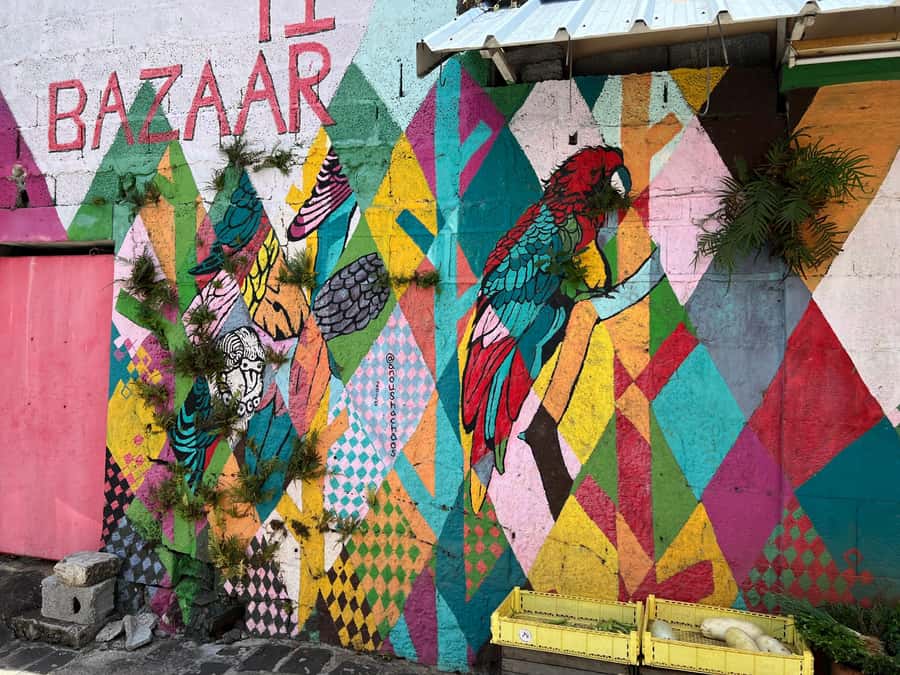
From the museum, you walk through Port Louis toward Chinatown. This is where the tour begins to feel especially local. The route may include temples, older buildings, street art, and areas associated with Indian, Chinese, French, and African influences.
Chinatown is more than a sign and a few restaurants. The food here reflects Hakka Chinese traditions, and this is one of the places where the guide can point out dishes you might otherwise pass without noticing. A favorite stop for some is the Chinatown food tasting, which gives you a direct link between the city’s Chinese community and its everyday cooking.
You may also pass through areas described as Little India and the French side of the city, along with the waterside. The exact order can vary, but the broader point is clear: Port Louis is compact enough to explore on foot, yet varied enough to feel like several neighborhoods in one outing.
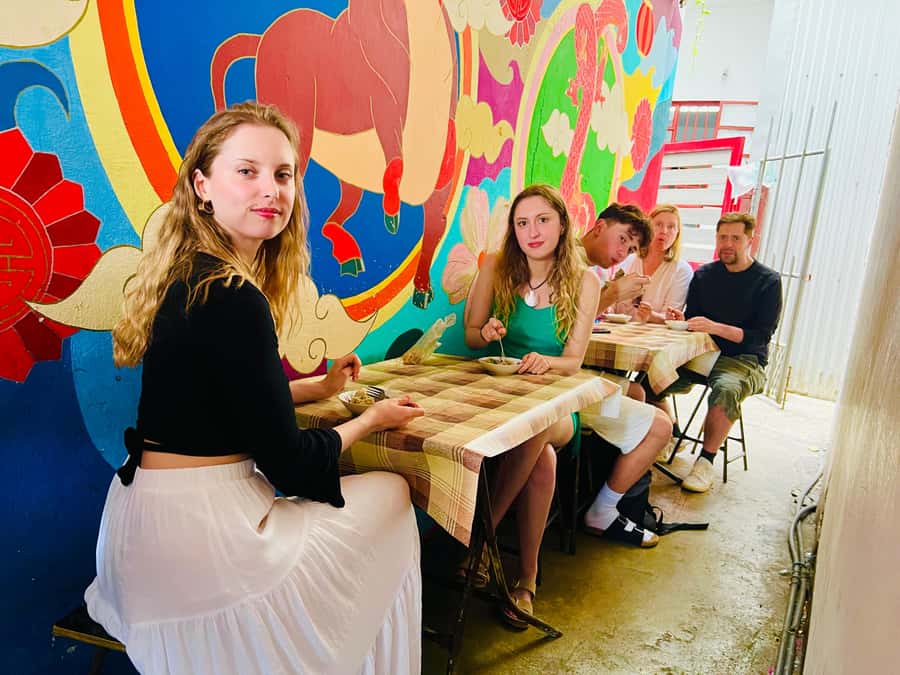
Street art adds a welcome modern note. The painted walls and unexpected pieces help show that Port Louis is not only a historic capital. It is also a living city with its own current creative scene. Bring a phone or camera if you like street photography, but keep your attention on the guide and the pavement too. This is a walking tour, not a photo stop at every corner.
More things to do in Port Louis:
- Mauritius: Exclusive South West Tour
★ 4.8 · 523 reviews - Mauritius North: Private Paradise Tour with Gardens, Markets
★ 4.8 · 446 reviews - Port Louis: Mont Choisy, Botanical Garden, and Church Tour
★ 4.7 · 268 reviews - TAXI north guided tour.
★ 5.0 · 171 reviews
Central Market and the best food stretch
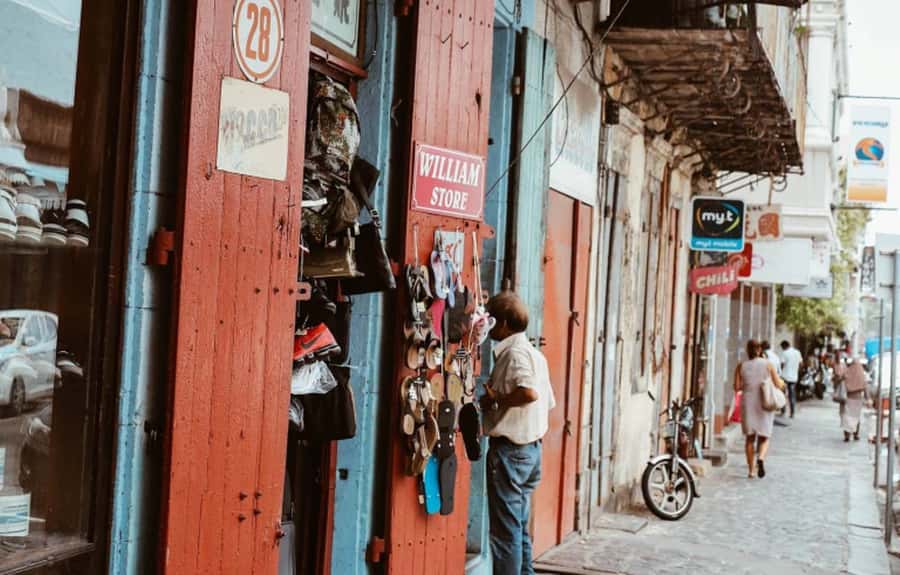
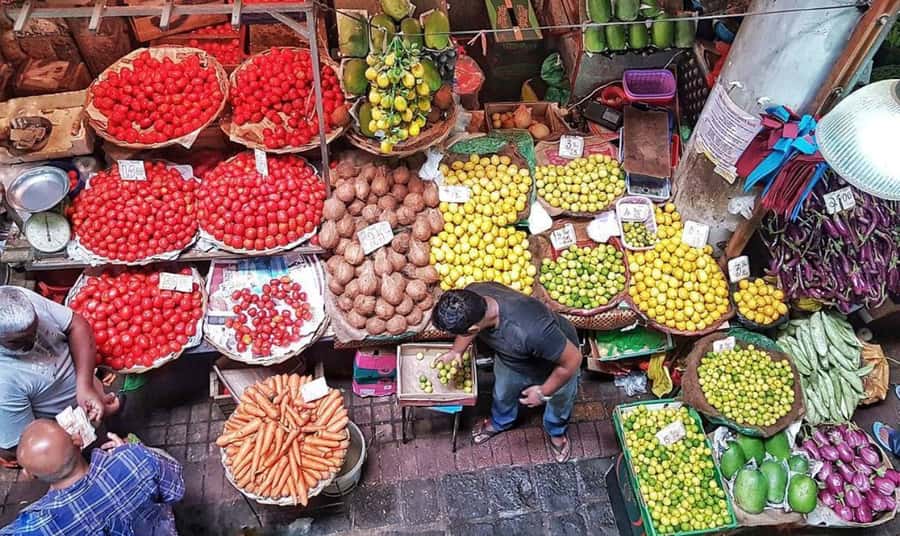
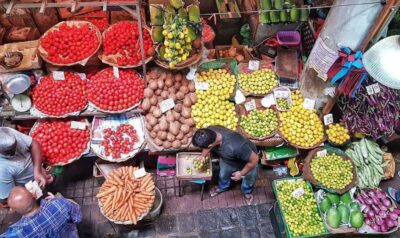
Central Market is the heart of the eating portion. It is a practical place to see fresh ingredients, cooked food, fruit, and the pace of daily life in Port Louis. The market can feel crowded and warm, but that is part of what makes it useful as a window into the city.
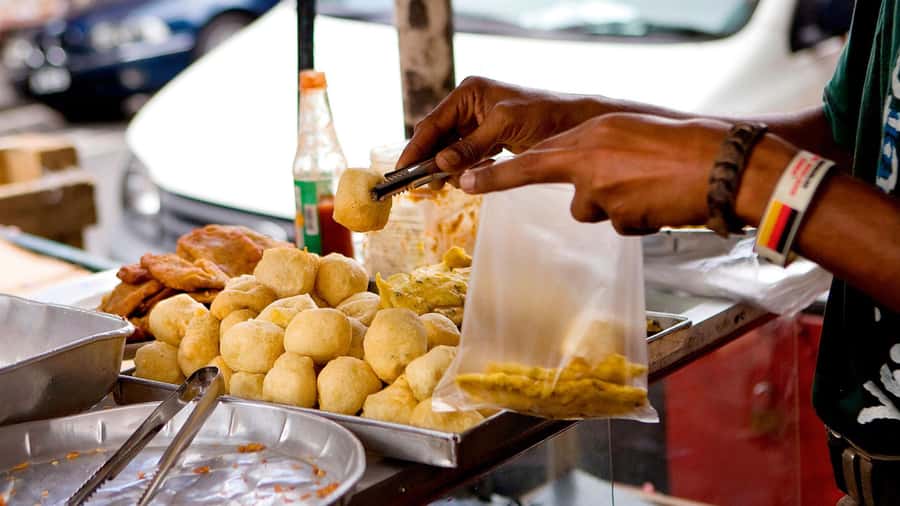
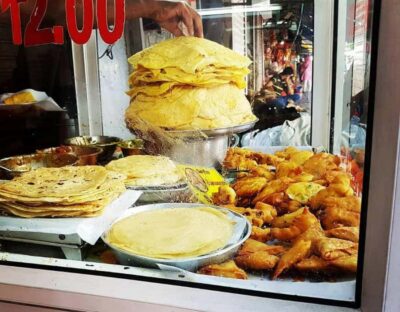
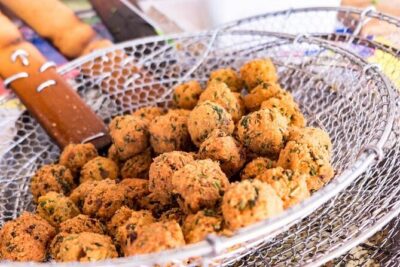
One featured snack is gato pima, a fried chili bite made from soaked split peas, spring onions, and green chilies. It is small, crisp, and strongly seasoned. The name is often translated as chili cake, but you do not need a translation to understand its appeal after the first bite.
The food is served across several stops rather than in one large meal. You may try around six to eight dishes, though the total number of individual foods, sweets, and drinks can be higher depending on how the tastings are counted. One group reported trying more than 15 separate items, while the standard description promises approximately six to eight tastings. The sensible expectation is variety, not a fixed menu.
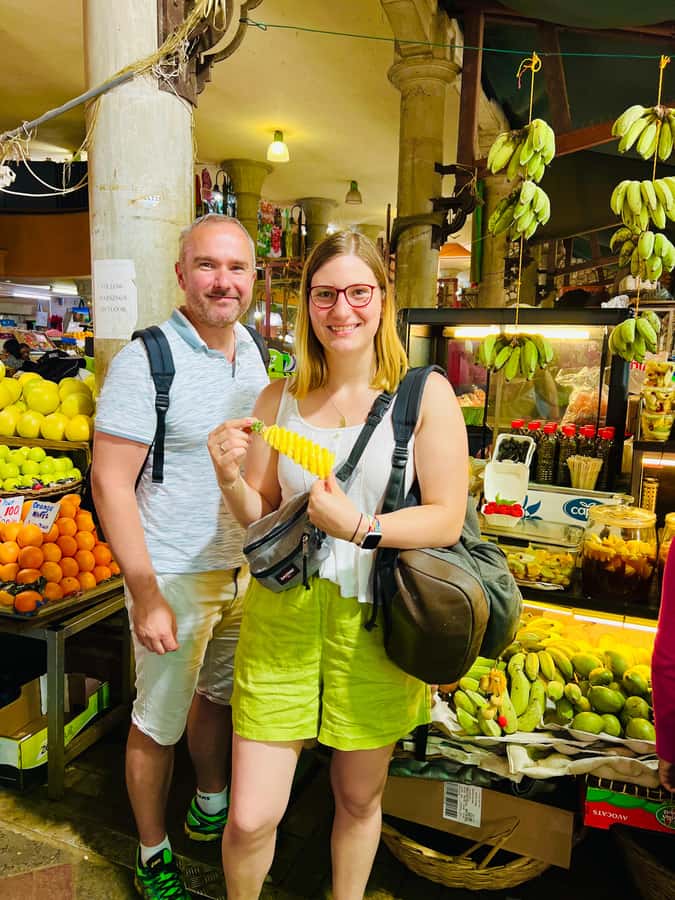
You may also try fresh seasonal fruit with an optional fruit sauce. This is a useful break from fried and spicy foods, especially in the heat. The tour includes a milkshake or juice and a bottle of water, but I would still carry water if you are sensitive to hot weather.
What you might eat along the way
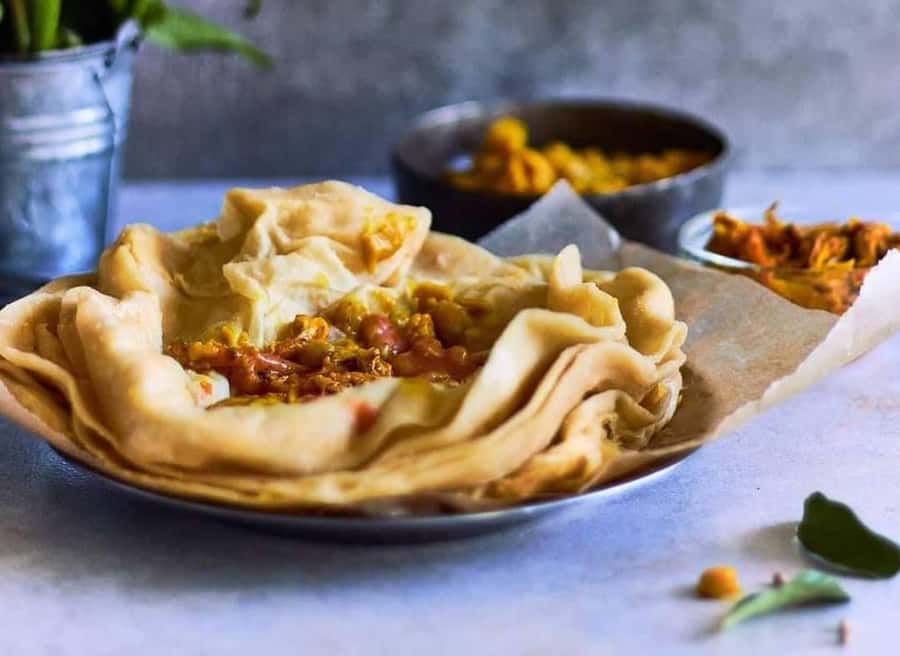
The exact food lineup is not presented as a fixed menu, and that is normal for a street food walk. Availability can change with the day, the stalls, and the season. You should expect a mix of savory and sweet foods rather than one cuisine repeated several times.
The supplied details specifically mention:
- Gato pima, made with split peas, spring onions, and green chilies
- Fresh tropical seasonal fruit
- Sweet and savory local snacks
- A milkshake or juice
- Food connected to Indian, Chinese, and African traditions
- A possible sweet potato bun with sesame seeds, praised by one participant
The portions add up. Several people finished the tour very full, and one practical tip came up more than once: do not arrive after a large breakfast. A light breakfast two or three hours beforehand is a better plan. You want enough room to taste everything, but you should not begin hungry enough to rush through the museum and early walking section.
The guide can make or break the experience
The strongest part of this tour is the guide’s role. Dourvesh is repeatedly praised for explaining both food and history, answering questions, taking photographs, and keeping the group comfortable. Descriptions of his style are relaxed and friendly rather than formal or scripted.
That matters in Port Louis. A guide who only names dishes would leave you with a full stomach but little understanding. A guide who connects food to immigration, religion, language, buildings, plants, politics, and daily life gives the walk much more value.
The pace also seems to be handled thoughtfully. One account specifically praises the guide for adjusting the speed and checking that everyone was safe and comfortable. That is important because the group may include people with very different walking habits.
The guide speaks English and French. The group is capped at 10 people, so this should feel more personal than a large coach excursion. Still, the experience remains a walking tour, and you should not expect a private guide unless you book under separate arrangements.
Company Garden, old buildings, and the quieter corners
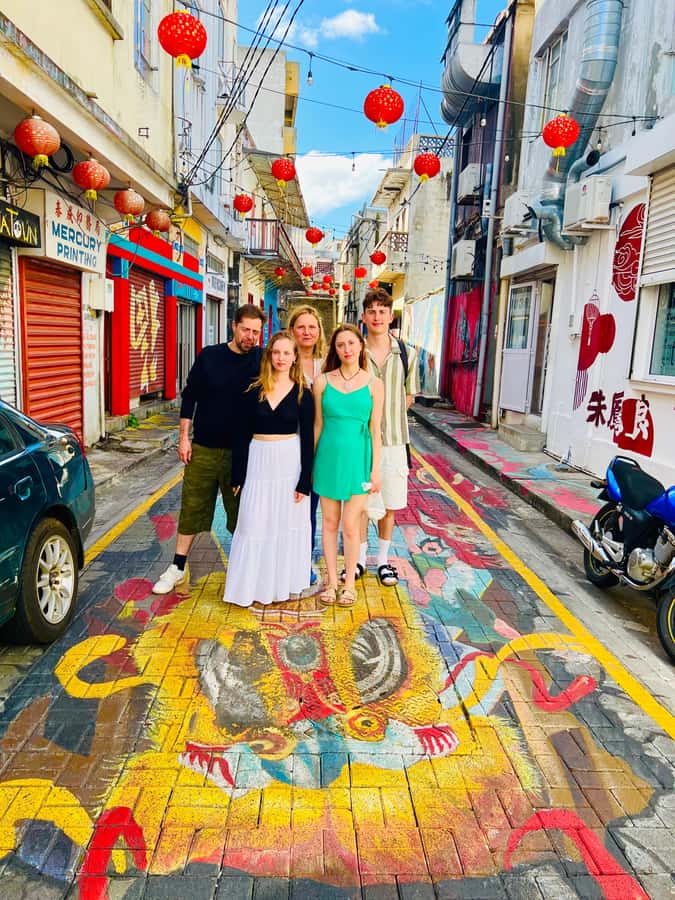
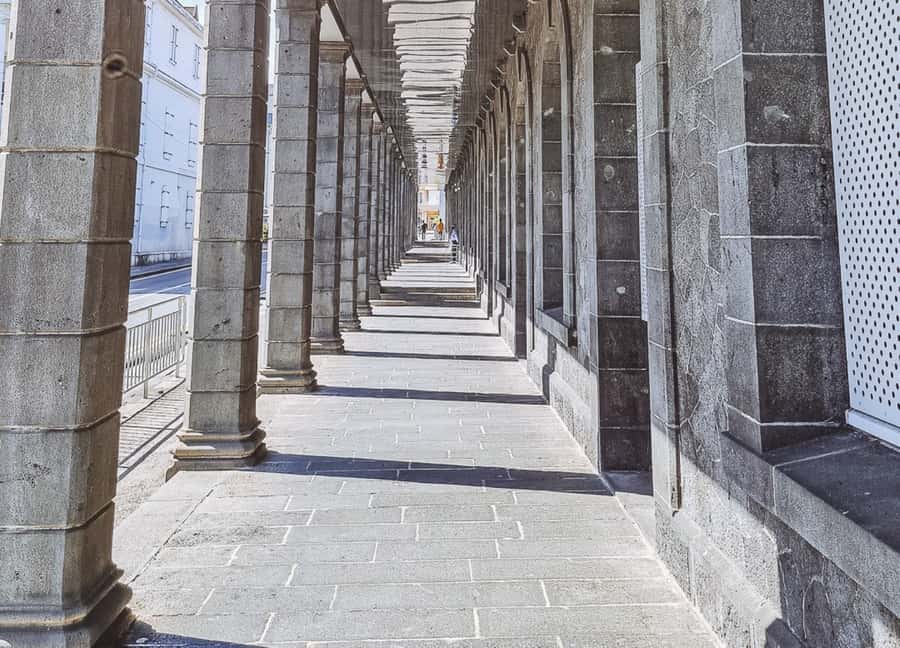
The route includes Company Garden and a less obvious walking section away from the main sights. The garden gives you a chance to slow down and look at large trees, including trees with hanging roots. It is a useful contrast to the market streets and traffic.
The old buildings add another layer to the walk. You do not simply move from one food stall to another. The guide points out the built history of the capital and explains what you are seeing as the route changes from waterfront to market, Chinatown, garden, and side streets.
This part may appeal most if you enjoy seeing how a city works rather than checking off famous monuments. It is not a grand sightseeing circuit with long stops at every landmark. Instead, it connects small details into a picture of Port Louis.
Heat, rain, clothing, and walking comfort
Take the practical warnings seriously. Comfortable shoes are essential. You should also bring sunscreen, a sun hat, and comfortable clothing. One participant was glad to have a parasol because the day was very hot.
Rain gear is equally sensible. Port Louis weather can change, and one outing continued through torrential rain with the guide keeping the mood light. Bring an umbrella or rain jacket rather than assuming clear skies will last for the full walk.
The route may exceed 5 kilometers and can take more than the advertised 210 minutes. The listed duration is three and a half hours, but some groups have taken just over four hours. Food service, questions, photo stops, and walking pace all affect the finish time.
This is not a good choice if you want a seated tasting menu or a short, gentle introduction. It is a good choice if you like walking, trying several small foods, and seeing ordinary city spaces between the headline sights.
Vegetarian and vegan visitors
Vegetarian visitors should tell the guide before the tour. Vegetarian food is available at several stops, and vegan travelers have been accommodated thoughtfully in some groups.
Still, do not assume every food stop has a separate plant-based dish. At least one vegetarian participant found that the only option at a particular stop was to remove the meat or fish, with no replacement. If food restrictions are central to your booking, confirm them clearly in advance and be prepared for the number and type of tastings to vary.
The tour is also not a good fit for anyone with an allergy unless the provider can confirm safe handling. The supplied information does not promise allergy-free preparation, so ask before booking.
Is $42 good value?
For a 210-minute small-group walk, $42 is fair, especially because the price includes the food and drinks. If you bought several snacks, fruit, a drink, and a substantial meal independently, the cost could approach the tour price without giving you the same city context.
The biggest value is not the bottled water or fruit. It is the combination of a local guide, a museum visit, market access, food stops, and an introduction to several cultural traditions. I would consider booking this near the start of a Mauritius stay because it helps you understand Port Louis and gives you ideas for what to seek out later.
The one limitation is that the tour prioritizes food over full city coverage. You see many districts and landmarks, but you do not stop everywhere for a detailed visit. If you want a longer architecture or sightseeing walk without food, this may not be the right format.
Cancellation is free up to 24 hours before the start, and you can reserve now and pay later. Those terms help if your schedule is still moving, but the main decision is simpler: can you comfortably walk several kilometers and eat a large amount of food in one morning or afternoon?
Who should book this Port Louis experience?
I would recommend it to first-time visitors who want an easy introduction to Port Louis without spending hours planning a route. It suits curious eaters, history fans, photographers, and anyone who prefers local stalls to polished hotel dining.
Families can enjoy it if everyone is comfortable walking in heat and trying unfamiliar foods. Small groups of friends will also get good value, particularly if they like asking questions and sharing dishes.
I would be more cautious if you dislike spicy food, have serious dietary restrictions, or want a slow sightseeing day. You can skip individual tastings, but the experience is built around frequent food stops, outdoor walking, and a full schedule.
Should you book it?
Book this tour if you want Port Louis in one energetic introduction: history first, then Chinatown, Central Market, street art, gardens, old buildings, and a generous run of Mauritian snacks. The guide quality appears to be a major strength, especially with Dourvesh, whose relaxed explanations and care for the group add real value.
Skip it if you want a short walk, a fixed restaurant menu, or a full private tour of every major sight. For most visitors who arrive hungry, wear proper shoes, and leave room for one more gato pima, this is a very good use of $42.
FAQ
Where does the Port Louis street food tour begin?
It begins in front of Le Casino at the Caudan Waterfront, opposite Café LUX in Port Louis.
How do I identify the guide?
The guide will wear a black hat.
How long does the tour last?
The advertised duration is 210 minutes, or three and a half hours. Some groups have taken just over four hours.
How much food is included?
The tour includes approximately six to eight food tastings. Depending on how individual snacks, sweets, and drinks are counted, the total number of items may be higher.
Are drinks included?
Yes. The tour includes fresh tropical fruit, a milkshake or juice, and one bottle of water.
Does the tour visit Central Market and Chinatown?
Yes. The route includes Chinatown and Central Market, along with a historical museum, Company Garden, old buildings, and other parts of Port Louis.
Is the tour offered in English or French?
Yes. Live guiding is available in English and French.
Is hotel pickup included?
No. You must make your own way to the meeting point at the Caudan Waterfront.
More City Tours in Port Louis
- Port Louis: Street Eats and City Highlights Walking Tour
★ 4.9 · 73 reviews - Unveiling the Ancient and Modern Port Louis – city tour
★ 4.7 · 13 reviews - Mauritius: Port Louis Street Food City Tour
★ 5.0 · 9 reviews - 8-Hour Private City and North Tour in Mauritius
★ 4.5 · 4 reviews
Just added in Port Louis
- Unveiling the Ancient and Modern Port Louis – city tour★ 4.7 · 13 reviews
- Northern Mauritius Private Tour w/ Port louis Market and Beaches★ 4.5 · 4 reviews
- Private A/C CAR Guided FULL DAY tour North of Mauritius★ 4.0 · 5 reviews
- Full Day Private car only Guided SOUTH WEST of Mauritius★ 4.5 · 8 reviews
- ROUTE OF INDIAN SPIRITUALITY★ 5.0 · 7 reviews
- Full Day Shared Speed Boat in Ile Aux Cerfs Lunch & Transfer incl★ 4.0 · 6 reviews
- 8-Hour Private City and North Tour in Mauritius★ 4.5 · 4 reviews
- Mauritius Private South West Tour★ 5.0 · 3 reviews
Food & Drink, compared.
Snorkeling with Turtles & Port Louis Street Food
Read our review →
Sights of the South Private Tour with Rum Tasting
Read our review →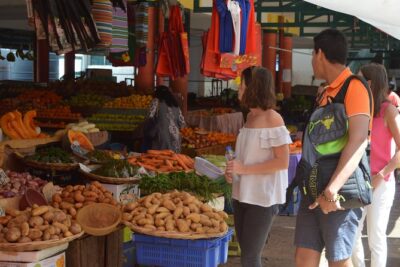
Browse the lists this tour appears in